

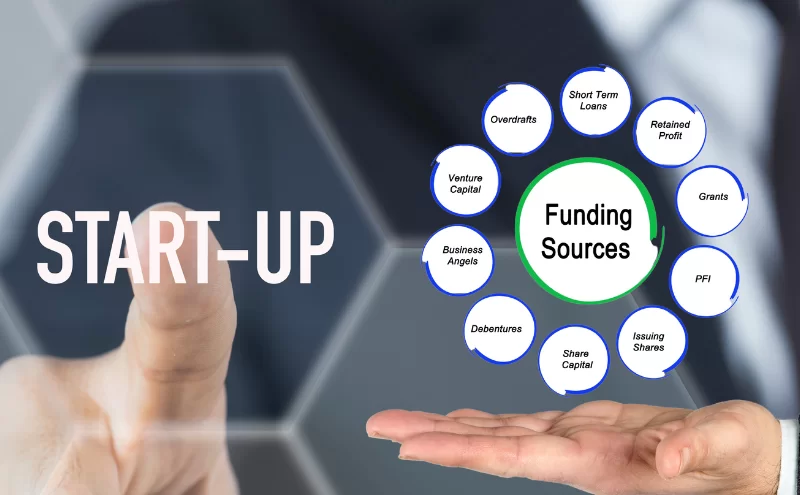
Startup funding refers to the capital required to launch, operate, and grow a new business. For many entrepreneurs, innovative ideas are abundant, but financial resources are limited. Funding bridges this gap, allowing founders to convert concepts into functional products, hire talent, develop technologies, and enter the market with confidence. Without adequate funding, businesses may struggle to scale or compete effectively, especially in industries that require high upfront investment such as technology, manufacturing, or e-commerce. Understanding how funding works helps entrepreneurs choose the right financial path and avoid decisions that could cause long-term setbacks.
Reasons startup funding is critical:
-
Provides capital for product development and testing
-
Supports hiring skilled employees and building a strong team
-
Helps cover operational costs during early phases
-
Enables marketing and customer acquisition efforts
-
Improves competitive strength in fast-growing industries
Startup funding is not just about money—it’s about accelerating growth and giving the business the opportunity to reach its true potential.
Types of Startup Funding and How Each One Works
There are multiple types of funding available to new businesses, and each comes with its own requirements, advantages, and considerations. Understanding these options allows founders to select the funding method that best aligns with their business model and long-term strategy.
Bootstrapping is when founders use their own capital to fund the business. This method offers total control and avoids debt or ownership dilution. However, growth may be slower due to limited resources.
Angel investors are individuals who provide early-stage capital, often in exchange for equity. They are ideal for startups needing both money and mentorship. Angels typically invest in businesses with high-growth potential.
Venture capital (VC) firms invest larger sums into startups poised for rapid scaling. VC funding accelerates growth but often requires giving up equity and decision-making influence. This option fits technology-driven or disruptive business models.
Bank loans and government grants provide non-equity funding options. Loans require repayment with interest but keep ownership intact. Grants, where available, are highly competitive but offer capital with no repayment obligation.
Crowdfunding platforms allow startups to raise small contributions from many individuals. This method works well for consumer products, creative ventures, or businesses with strong community appeal.
Benefits of startup funding options:
-
Bootstrapping: Full control, zero debt
-
Angel investment: Strategic guidance, early-stage support
-
Venture capital: Large capital injection for rapid growth
-
Loans/Grants: Non-dilutive funding, predictable structure
-
Crowdfunding: Market validation, brand awareness
Choosing the right funding mix ensures financial stability while aligning with your long-term business vision.
How to Prepare Your Startup for Funding
Before approaching investors or lenders, your startup must be prepared both strategically and financially. The first step is creating a strong business plan detailing your market opportunity, competitive advantages, revenue model, financial projections, and growth strategy. Investors want to see evidence that the business idea is viable and scalable.
Next, develop a compelling pitch deck. A pitch deck summarizes your business idea, target market, product features, financial forecast, and team expertise. It communicates your vision clearly while demonstrating why funding your startup is a smart investment.
Founders should also validate their product or service. This may involve building a minimum viable product (MVP), conducting market tests, or gathering user feedback. Demonstrating early traction—such as initial users, preorders, or partnerships—increases investor confidence.
Finally, ensure your financials are in order. Investors will review revenue projections, spending plans, and your funding usage strategy. You must clearly explain how the funds will be allocated and how they will drive business growth.
Steps to prepare for funding:
-
Create a detailed business plan and market analysis
-
Build an impressive pitch deck with strong visuals
-
Validate your product through an MVP or prototype
-
Show early traction or customer interest
-
Organize financial projections and capital requirements
Preparation increases your chances of securing funding and positions your startup as a credible investment opportunity.
Why the Right Funding Strategy Leads to Long-Term Success
Choosing the right funding strategy is as important as raising capital itself. Not all funding is suitable for every business. Some startups thrive with external investment, while others succeed through self-funding and organic growth. A well-selected funding strategy supports cash flow, reduces financial stress, and enables long-term scalability.
A strong funding foundation also helps startups survive market fluctuations. Businesses with adequate capital can invest in innovation, respond to competition, and expand without compromising quality. Additionally, having the right investor or lender by your side provides more than money—it offers networking, mentorship, and industry expertise.
Long-term advantages of choosing the right funding approach:
-
Greater financial stability and predictable growth
-
Ability to scale the business at the right pace
-
Access to mentorship, networks, and expertise
-
Increased competitive edge in the market
-
Strong foundation for future funding rounds
When entrepreneurs understand how funding works and choose strategically, they create a clear pathway to sustainability and long-term success.