

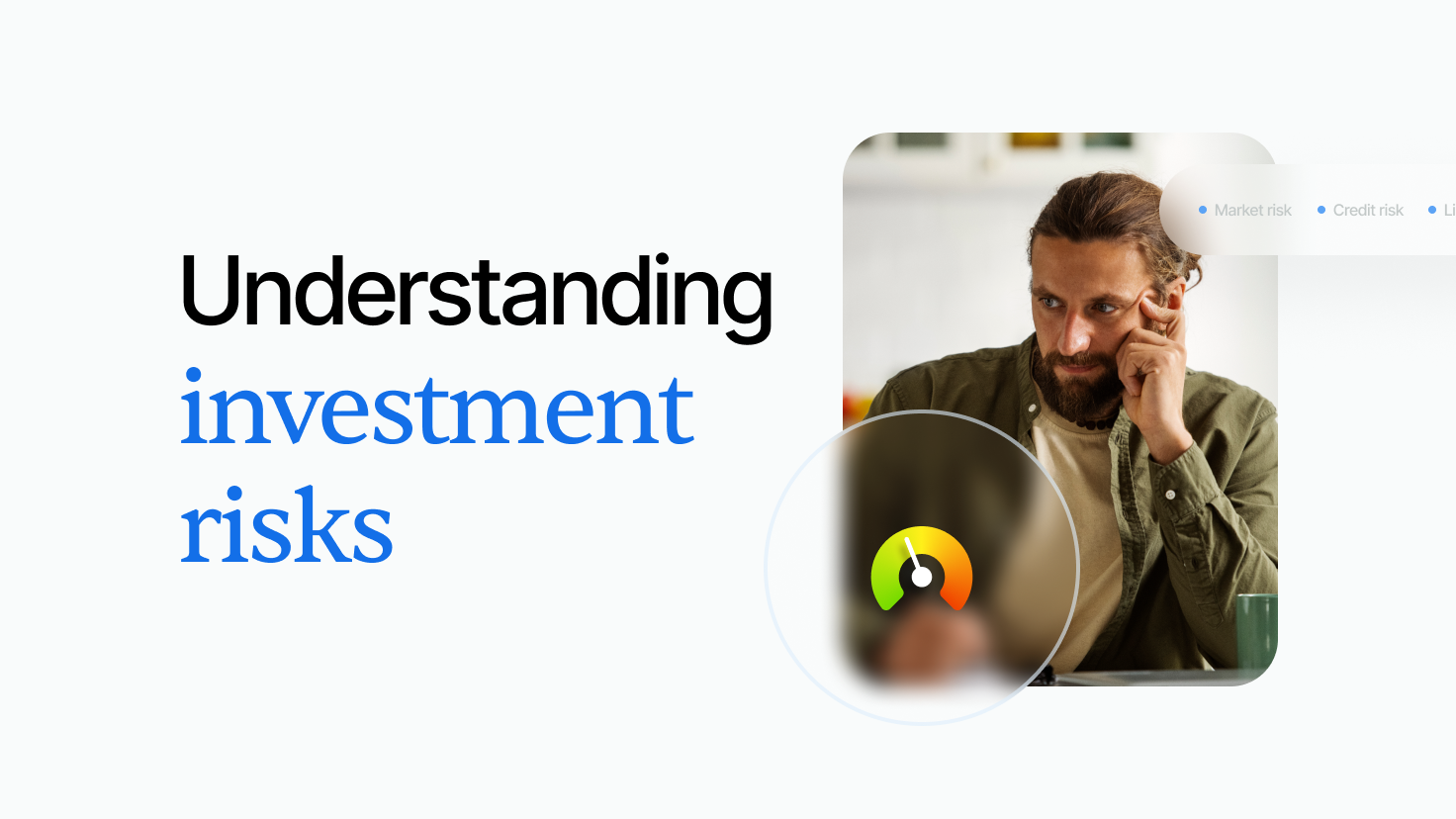
Every investment carries some degree of risk, regardless of how safe it appears. Understanding risk is not about avoiding investments—it is about making informed decisions based on your goals, financial capacity, and comfort level. Many beginners enter the investment world with the assumption that market growth is guaranteed or that profitable opportunities always come without downside. In reality, risk is a natural part of investing and plays a major role in determining potential returns. Investments with higher return potential often come with greater risk, while safer investments typically offer lower returns. Recognizing this balance allows you to choose investments that match your financial situation and long-term strategy. By understanding risk upfront, you reduce the chance of emotional decisions, panic selling, or financial setbacks, and you improve the likelihood of achieving stable, long-term growth.
Key reasons understanding investment risk is crucial:
-
Helps prevent emotional and impulsive decisions
-
Improves long-term planning and investment strategy
-
Protects you from unexpected losses
-
Ensures that investment choices align with financial goals
-
Helps you balance risk and reward effectively
Types of Investment Risks Every Investor Should Know
Risk is not a single concept; it includes multiple categories that affect investments in different ways. Market risk is the most common and refers to fluctuations in the overall stock or bond markets. Economic downturns, political events, or global crises can influence market behavior. Inflation risk occurs when the value of your investments fails to keep pace with rising prices, reducing purchasing power. Interest rate risk affects bond investors, as changes in interest rates can reduce the value of existing bonds. Credit risk is the possibility that a borrower may default on payments, particularly important in corporate bonds.
There is also liquidity risk, which arises when investments cannot be easily sold without loss—common in real estate or niche markets. Company-specific risk, also known as unsystematic risk, results from issues within a single business such as management decisions or financial instability. Finally, currency risk applies when investing internationally, as exchange rate fluctuations can impact returns. The more you understand each risk category, the better equipped you are to build an investment portfolio that is both safe and profitable.
Advantages of identifying different risk types:
-
Allows you to create a balanced investment portfolio
-
Helps you avoid overexposure to volatile assets
-
Ensures your investments remain aligned with market conditions
-
Helps you recognize risks early and take preventive action
-
Improves decision-making and long-term portfolio performance
How to Evaluate Your Risk Tolerance and Build a Suitable Portfolio
Risk tolerance varies from person to person. It depends on your age, income stability, financial responsibilities, investment goals, and emotional comfort with market fluctuations. Younger investors generally have higher risk tolerance because they have more time to recover from downturns. Older investors may prefer safety and stability over high growth. To evaluate your risk tolerance, begin by reviewing your financial obligations—such as loans, family needs, and monthly commitments. Next, analyze how you react to financial uncertainty. If temporary losses cause stress or panic, a more conservative portfolio may be suitable.
Once your risk tolerance is clear, align it with appropriate asset allocation. A more aggressive investor may choose a higher percentage of stocks and growth-oriented funds. A conservative investor may prefer bonds, dividend stocks, or fixed-income securities. Diversification is a key tool in managing risk. By spreading investments across asset classes, industries, and regions, you reduce the impact of poor performance in any one area. Regular review of your portfolio ensures that it remains aligned with your tolerance and goals.
Steps to evaluate and manage risk tolerance:
-
Determine your financial responsibilities and time horizon
-
Assess how comfortable you are with short-term losses
-
Choose asset allocation based on your comfort level
-
Diversify investments across multiple categories
-
Reassess your risk tolerance annually or after major life changes
Why Risk Management Leads to Better Long-Term Investment Success
Effective risk management is not about avoiding risk—it is about controlling it. Investors who understand and manage risk are better positioned to achieve stable, long-term returns. One of the most powerful strategies is maintaining a diversified portfolio. Diversification reduces the influence of market volatility and provides a smoother growth pattern. Long-term investors also benefit from consistent contributions, allowing compounding to accelerate wealth growth even during market downturns.
Another important aspect of risk management is avoiding emotional decisions. Fear and greed are two of the biggest threats to long-term success. Investors who panic-sell during downturns often miss market recoveries, while those who chase high-risk opportunities without analysis may face significant losses. Having a structured investment strategy helps avoid these pitfalls. Additionally, rebalancing your portfolio ensures that your investments do not drift too far from your intended risk profile.
Benefits of strong risk management:
-
Ensures more predictable and stable long-term growth
-
Minimizes losses during market downturns
-
Helps avoid emotional mistakes and impulsive decisions
-
Strengthens overall financial stability
-
Enhances the compounding effect over time