

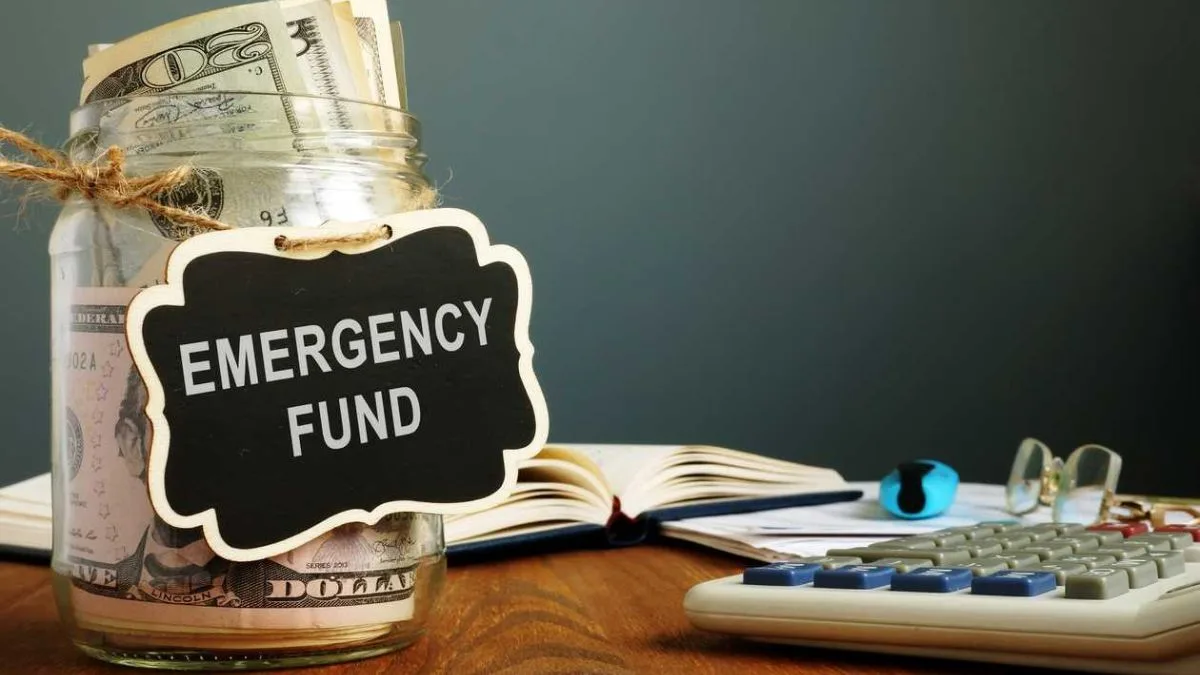
An emergency fund is a financial safeguard designed to protect you when unexpected events disrupt your normal income or create sudden expenses. Many individuals associate financial success with high income or major investments, but true stability begins with the ability to withstand emergencies without taking on debt. Life is unpredictable, and events such as medical bills, car repairs, job loss, or urgent home expenses can occur without warning. When these situations arise and you have no reserves, the only alternatives often involve credit cards, loans, or borrowing from friends and family. These options may solve the immediate problem but create long-term financial pressure. An emergency fund ensures that you remain in control even when circumstances are challenging. It prevents small disruptions from escalating into overwhelming financial crises and allows you to recover without compromising your financial goals.
How to Determine the Right Emergency Fund Size
Determining the ideal size of your emergency fund requires evaluating your personal situation, financial obligations, and income reliability. While the widely accepted guideline is to save three to six months of essential living expenses, this is merely a baseline. Individuals with steady employment, low expenses, or few dependents may find three months sufficient. Those with variable income, multiple dependents, or high monthly commitments benefit from a larger cushion of six to twelve months. To calculate your target amount, start by listing your nondiscretionary expenses: rent or mortgage, utilities, insurance, groceries, transportation, minimum loan payments, and essential childcare or medical costs. These represent the minimum funds needed to maintain your household during a financial emergency. Once you have a monthly total, multiply it by your chosen number of months. The result is your emergency fund goal. Although the number may seem large initially, remember that the purpose is not to save it instantly but to accumulate it progressively over time.
Practical Strategies to Build Your Emergency Fund
Building an emergency fund requires consistent effort, especially if you are managing tight finances. The most effective strategy is to separate your emergency funds from your everyday checking account. Use a dedicated high-liquidity account such as a savings account or money market account to ensure accessibility without encouraging unnecessary withdrawals. Begin by setting a small, achievable starter goal—often $500 or $1,000. This initial step provides immediate protection against common unexpected expenses and helps create momentum. Once the starter goal is reached, automate regular transfers to your emergency savings. Automation removes the emotional component of saving and ensures that contributions remain consistent. Review your monthly budget to identify temporary cost-cutting opportunities. Reducing discretionary spending such as dining out, entertainment, or nonessential subscriptions can free up funds that support your emergency savings. Additionally, allocate unexpected income—such as tax refunds, bonuses, overtime pay, or freelance income—directly into the fund. Over time, these strategies combine to build a solid reserve without drastically changing your lifestyle. The key is steady, disciplined progress rather than rapid accumulation.
Maintaining, Protecting, and Using Your Emergency Fund Wisely
Building the fund is only the first step; maintaining its purpose is equally important. Many individuals unintentionally weaken their emergency fund by using it for nonemergency purchases such as vacations, shopping, or holidays. To protect the integrity of your fund, clearly define what qualifies as an emergency. A general rule is that an event must be unexpected, necessary, and time sensitive. This ensures the fund is used only when truly essential. After withdrawing funds due to valid emergencies, make it a priority to replenish the account promptly. Treat refilling the fund as a core financial obligation rather than an optional task. Periodically review your emergency fund size as your financial situation evolves. Changes in income, household size, living costs, or job stability may require adjustments to your target amount. Regular evaluation ensures that your fund remains aligned with your needs. Ultimately, the goal is not simply to create an emergency fund once but to sustain it throughout your financial journey. When managed properly, an emergency fund becomes a long-term safety mechanism that supports financial resilience and prevents setbacks from derailing your progress.